
Lyn Gardner: Are Musicals Really Squeezing Out New Writing?
Published on 23 April 2026
I’m a great admirer of the veteran playwright Michael Frayn, whose excellent, thought-provoking Copenhagen is currently being revived at Hampstead Theatre, but I’m not entirely sure he is right when he suggests that plays are being squeezed out of the West End by musicals as recently reported in The Stage.
But it’s a familiar refrain. For as long as I have been writing about theatre, someone has been saying that the end is nigh for new writing on Shaftesbury Avenue and musicals are the villains. But maybe the idea that new writing is an endangered species has always been with us, just as the mistaken idea that the Edinburgh fringe has been entirely overtaken by comedians still holds sway.
Looking at the West End listings for 40 years ago, it does appear that Frayn was enjoying something of a purple patch of three plays in the West End-- Benefactors, Noises Off and Number One-- which is quite an impressive achievement. But even with Frayn’s personal contribution to keeping new writing alive, there were still more musicals than new plays in the West End back then, including well-loved shows including Cats (revived at Regent’s Park Open Air Theatre in the summer), Evita, West Side Story, Little Shop of Horrors and Starlight Express.
The point is that the balance always swings back and forth like a pendulum, and there is always room for both musicals and new plays in a healthy theatre ecology. I’m not convinced the balance is less favourable to new writing than it was 40 years ago. But, of course, the conditions and costs of staging new writing are considerably higher. But every era has its particular challenges, although Shakespeare and his contemporaries, of course, did not have to compete with Netflix.
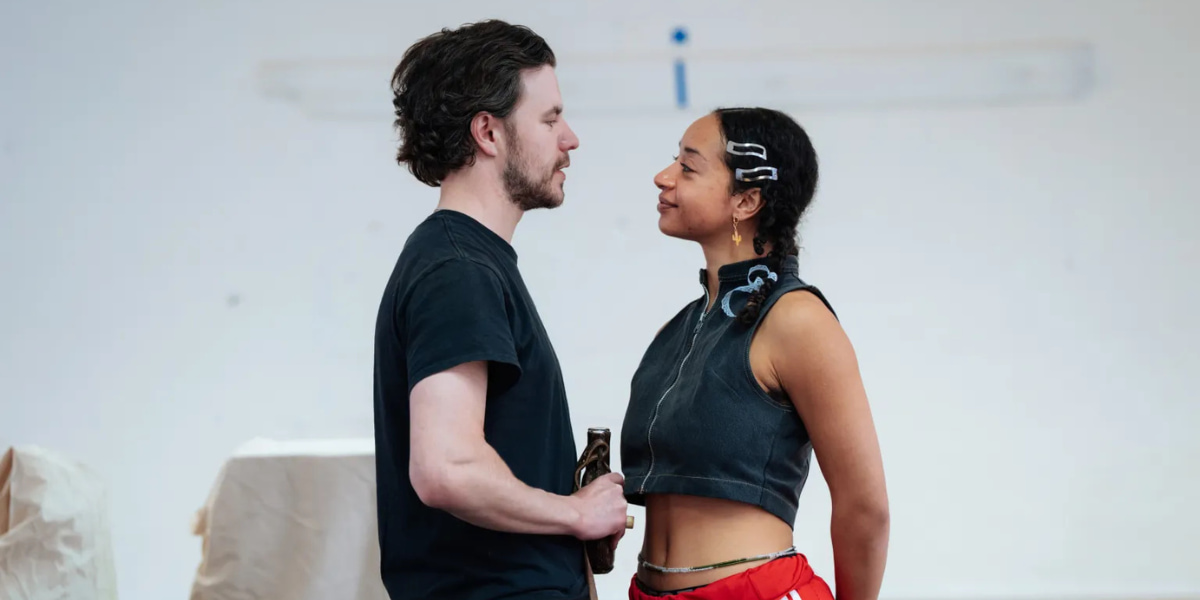
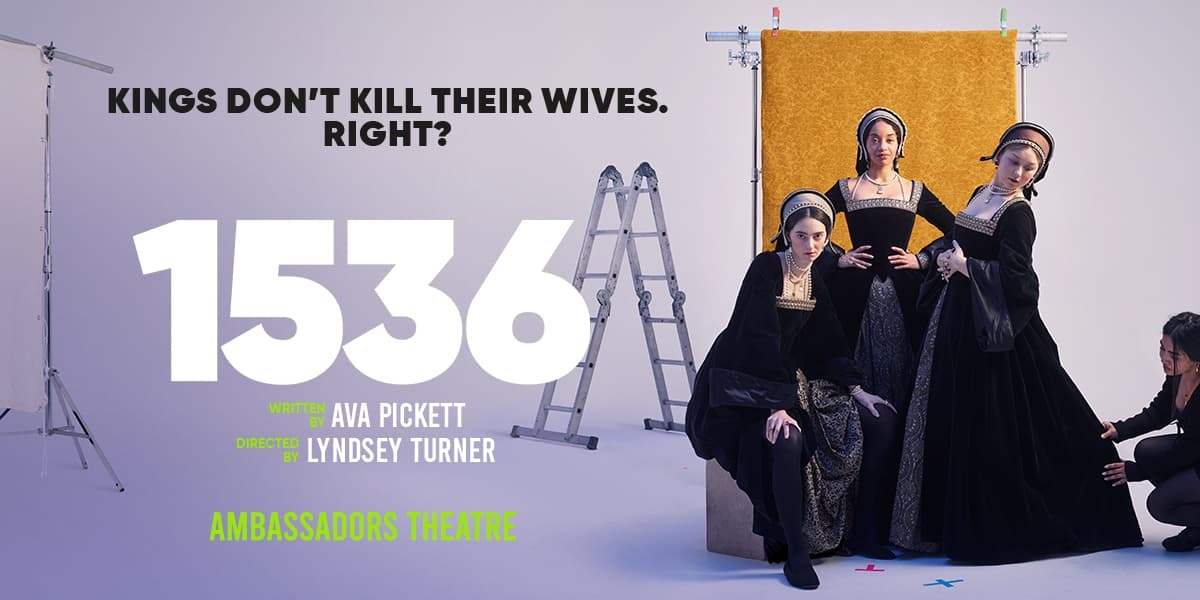
Besides, maybe it all depends on what you mean, like new writing. Surely Hamilton, Hadestown, Matilda The Musical, and Billy Elliot (which returns to the West End early next year) are as much a piece of new writing as Suzie Miller’s Olivier-winning Inter Alia and Ava Pickett’s glorious 1536, which opens in the West End next month.
Does the fact that The Play Which Goes Wrong is a comedy discount it from being counted as new writing? I think not. It requires the same amount of dramaturgical skill to be satisfying as David Hare’s latest, Grace Pervades, which has just opened at the Theatre Royal Haymarket. We don’t say that a novel is not a novel because it falls into a particular genre, so why are we so swift to be prescriptive as to what constitutes new writing in theatre?
Look, it’s true that new writing is in crisis, with subsidised theatres producing less, and the subsidised sector has long been a pipeline into the West End. There has been an alarming decline in the production of new plays since 2019, a drop of around 30% across British theatre. But look around the West End, and it seems more than holding its own, with John Proctor is the Villain transferring from the Royal Court to Wyndham’s early next year, and upcoming shows include Simon Stone’s contemporary reimagining of a 2,000-year-old text, The Oresteia, at the Bridge in July.
Some may argue that shows such as The Oresteia are adaptations, but again, adaptation requires real skill and playwriting know-how, and the very best adaptations, whether from books or movies, have real originality in the way they transpose to the stage.
In fact, there is currently an increasingly interesting subgenre of contemporary work in the West End, inspired by existing books or movies, but which offers an entirely new story and experience. Think Harry Potter and the Cursed Child, Stranger Things and Paranormal Activity, none of which try to replicate the original artwork in another form or create a facsimile of it, but rather are using the familiarity of the title to create something completely fresh and often theatrically innovative.
The broader definition of new writing is important not least because it counters the opinion that new writing is an impossibly hard sell to audiences. But the success of shows such as Giant, Paranormal Activity and Inter Alia reminds us that new writing continues to be a critical component of the West End offer and that it comes in many forms. Including the annual London Palladium panto.
By Lyn Gardner
Lyn Gardner is an acclaimed theatre journalist and former critic with decades of experience covering British theatre, from off-West End and fringe theatre to major West End productions.